Get Accurate California Roofing Code Reports Instantly
From Wildfire Zones to Cool Roof Mandates
Up‑to‑date California roofing code reports, covering Title 24 cool‑roof requirements, permit thresholds, wind/hail zones, and energy‑efficiency mandates.

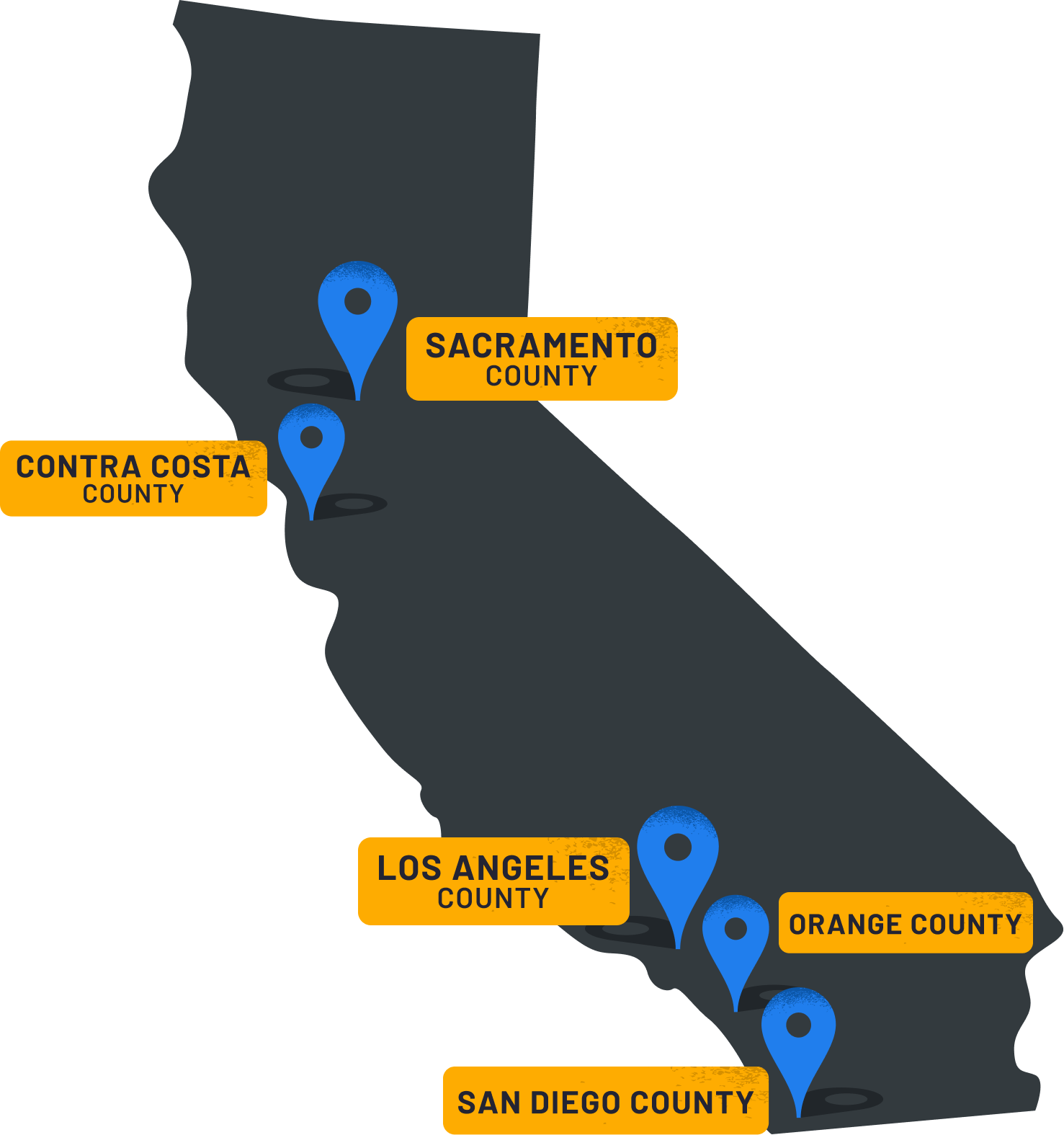
Key California Counties/Regions for Roofing Contractors
High-impact zones
California’s major metropolitan counties each present their own unique roofing challenges, shaped by coastal exposure, wildfire activity, and diverse climate zones. Roofers working across these regions must navigate shifting Title 24 cool-roof requirements, wildland fire regulations, and local permitting rules that vary street by street.
- Los Angeles County: A blend of coastal wind exposure and significant wildfire risk, where many communities fall within Very High Fire Hazard Severity Zones (VHFHSZ) and must meet strict Class A roofing and WUI standards.
- Orange County: Known for stringent cool-roof requirements especially for low-slope residential structures and varied slope/energy thresholds based on the climate zone.
- San Diego County: Roofing projects often sit at the intersection of coastal corrosion exposure and inland fire-hazard zones, requiring careful material selection and fire-resistant assemblies.
- Sacramento County: A mixed-climate region where energy-efficiency standards and hail-resilience considerations influence reroofing choices and permitted assemblies.
- Contra Costa County: Frequently subject to cool-roof mandates along with widespread VHFHSZ designations, making dual compliance (energy + fire) a regular requirement for contractors.
OneClick Code delivers jurisdiction-specific roofing code reports across all major California metropolitan areas, providing contractors with instant clarity on high-risk zones, Title 24 mandates, cool-roof thresholds, and local permit triggers ensuring every project begins with accurate, compliant data.
Why California Roofing Codes Are Complex
Wildfire & Very High Fire Hazard Severity Zones (VHFHSZ)
- In fire‑prone areas (e.g., California wildland‑urban interface), roofing must meet Class A fire ratings and other fire‑resistant specs.
- Proper roof covering selection, spark arrestors, and flashing are vital for compliance.

Cool Roof & Energy Efficiency Requirements
- Under Title 24 Part 6, California requires cool roof materials (high solar reflectance, aged SRI) when re‑roofing or in new construction.
- Compliance depends on climate zone and roof slope; many jurisdictions adopt stricter local mandates.

Wind, Hail & Coastal Exposure
- Roof decks and coverings must comply with load/resistance standards (e.g., CRC R905 / CBC §1507).
- Hail-prone regions require stronger attachment, underlayment, or specific material ratings.

Your All-in-One Solution
OneClick Code
OneClick Code delivers instant, jurisdiction-based roofing code reports for every address in California, giving contractors immediate clarity on the correct code edition, wildland and fire-hazard classification, permit fee calculations, wind or hail exposure, underlayment and deck specifications, and any applicable Title 24 cool-roof requirements. Designed for California’s complex mix of coastal, mountain, and wildland jurisdictions, OneClick Code streamlines the entire compliance process so roofers can bid faster, avoid costly mistakes, and ensure every project meets state and local roofing standards.
Why California Roofers Choose OneClick Code
Accurate Estimates
Stop guessing. Base every estimate on verified, jurisdiction-specific California roofing codes, including Title 24 cool-roof requirements, wildfire/WUI mandates, and local jurisdiction rules.

Reduced Risk of Code Violations & Fines
Ensure your roofing system meets California's stringent energy-efficiency, fire-resistance, and climate-zone requirements even in areas with mixed or overlapping regulations.
Lower risk of failed inspections, rework, and costly penalties.

Faster Project Timelines
Leverage smart calculators, automatic climate-zone identification, and built-in code citations to speed up quoting, permitting, and compliance checks.
Improved efficiency and smoother scheduling from start to finish.

Professional, Client‑Ready Reports
Deliver defensible, well-documented roofing code data to homeowners, adjusters, inspectors, and insurers for estimate review.
Build trust with clear communication and a professional presentation.