

Skip to content
Municipal Code Changes: A Crucial Consideration for Builders and Roofers
Melanie Moscoso
Melanie Moscoso

3 Min Read

Roofing Codes

Municipal Code Changes: A Crucial Consideration for Builders and Roofers

Published At:
Updated At:

The construction industry constantly evolves, with new technologies, materials, and regulations emerging regularly. One significant area that often goes overlooked is municipal code changes. These changes can profoundly impact builders and roofers, affecting everything from project permits to material requirements. Staying informed about these updates is essential to ensure compliance, avoid costly mistakes, and maintain a competitive edge.
The Frequency of Building and Roofing Code Changes

Municipal codes are updated for various reasons, including:
  1. Safety: To address emerging safety concerns or improve existing safety standards.
  2. Energy Efficiency: To promote energy conservation and reduce environmental impact.
  3. Accessibility: To ensure buildings are accessible to people with disabilities.
  4. Sustainability: To incorporate sustainable building practices and materials.
  5. Technological Advancements: To accommodate new construction methods and materials.

The frequency of code changes can vary significantly from one municipality to another. Some areas may experience more frequent updates due to factors such as rapid growth, natural disasters, or changes in local policies. Builders and roofers should monitor their local building department's website or subscribe to relevant industry publications to stay informed about the latest code developments.
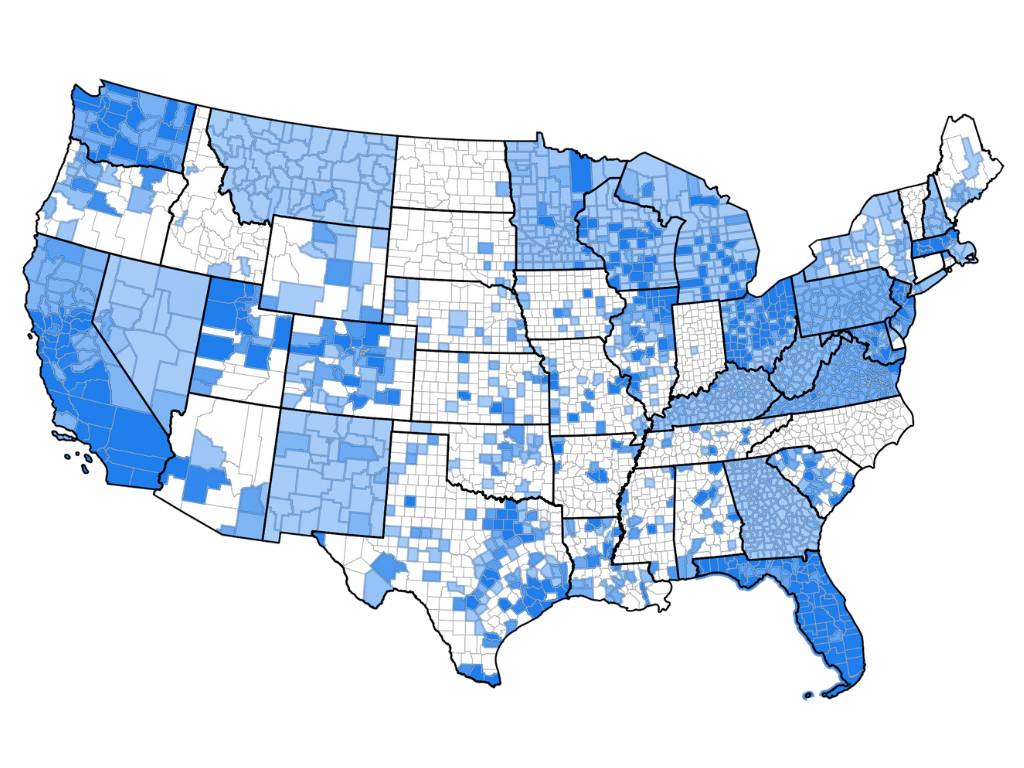
The map below shows municipal Code Changes in the last 12 months in the United States.
Municipal Code Changes in the last 12 months.

Why Staying Up-to-Date with Municipal Code Changes is Crucial

  • Code Adherence and Avoiding Fines:
    Staying up-to-date with municipal code changes is essential for ensuring that your roofing projects adhere to local regulations. By understanding and following the latest codes, you can avoid these risks and protect your roofing business.

  • Prioritizing Safety:
    • Protecting Against Hail Damage:
      Hail is a common weather phenomenon in many regions, and it can cause significant roof damage. Municipal codes often address hail resistance requirements to ensure that buildings are adequately protected against such events. By staying informed about these codes, you can select roofing materials and construction methods to withstand hail impact.
    • Ensuring Structural Integrity:
      Municipal codes protect against hail damage and address safety concerns related to structural integrity. This includes requirements for roof design, load-bearing capacity, and ventilation to ensure that buildings can withstand extreme weather conditions. By following these codes, you can help prevent structural failures and protect the safety of building occupants.
    • Avoiding Liability Issues:
      Not complying with municipal safety codes can lead to significant liability issues. Protect your roofing business from potentially costly mistakes by staying informed about and adhering to these codes.
  • Streamlining the Permitting Process:
    Staying up-to-date with municipal code changes can significantly streamline the permitting process for your roofing projects. When familiar with the latest requirements, you can submit accurate and complete permit applications, reducing the likelihood of delays and revisions. This can save you time and money, allowing you to focus on completing your projects efficiently.

  • Maintaining a Competitive Edge:
    You can position yourself as a reliable and trustworthy roofing contractor by demonstrating your commitment to following municipal codes. This can help you attract more clients, secure larger projects, and build a strong reputation in your local market.

Frequently Asked Questions

Why do building codes change?

Building codes are updated to address new safety concerns, improve energy efficiency, promote sustainability, accommodate new materials and construction methods and reflect changes in local conditions. Individual municipalities drive most of these updates and the pace varies widely depending on local growth rates, recent weather events and shifts in policy priorities. What was compliant two years ago may not meet current requirements, which is why staying current is an active part of running a roofing business rather than a one-time exercise.

How often do municipal building codes get updated?

There is no standard update cycle. The model codes published by the ICC are revised every three years, but municipalities adopt new versions on their own schedule and many add local amendments when they do. Some jurisdictions update frequently while others hold the same code version for a decade. The only reliable way to know what applies to a specific property is to look it up by address rather than assuming the code you used last time is still current.

What happens if a roofing contractor misses a municipal code change?

Missing a code change can mean submitting an estimate based on outdated requirements, which leads to disputes with adjusters, rejected permit applications and potential liability if the installed roof does not meet current standards. In some jurisdictions, working outside the current code can trigger fines or require rework at your expense. The practical risk is compounded during storm season when high volume makes it easy to rely on familiar assumptions instead of verifying what the current code actually requires.


OneClick Code - A reliable source of truth for any property in the U.S.

Restoration Intelligence, Automated

OneClick Code Blog

Related Articles