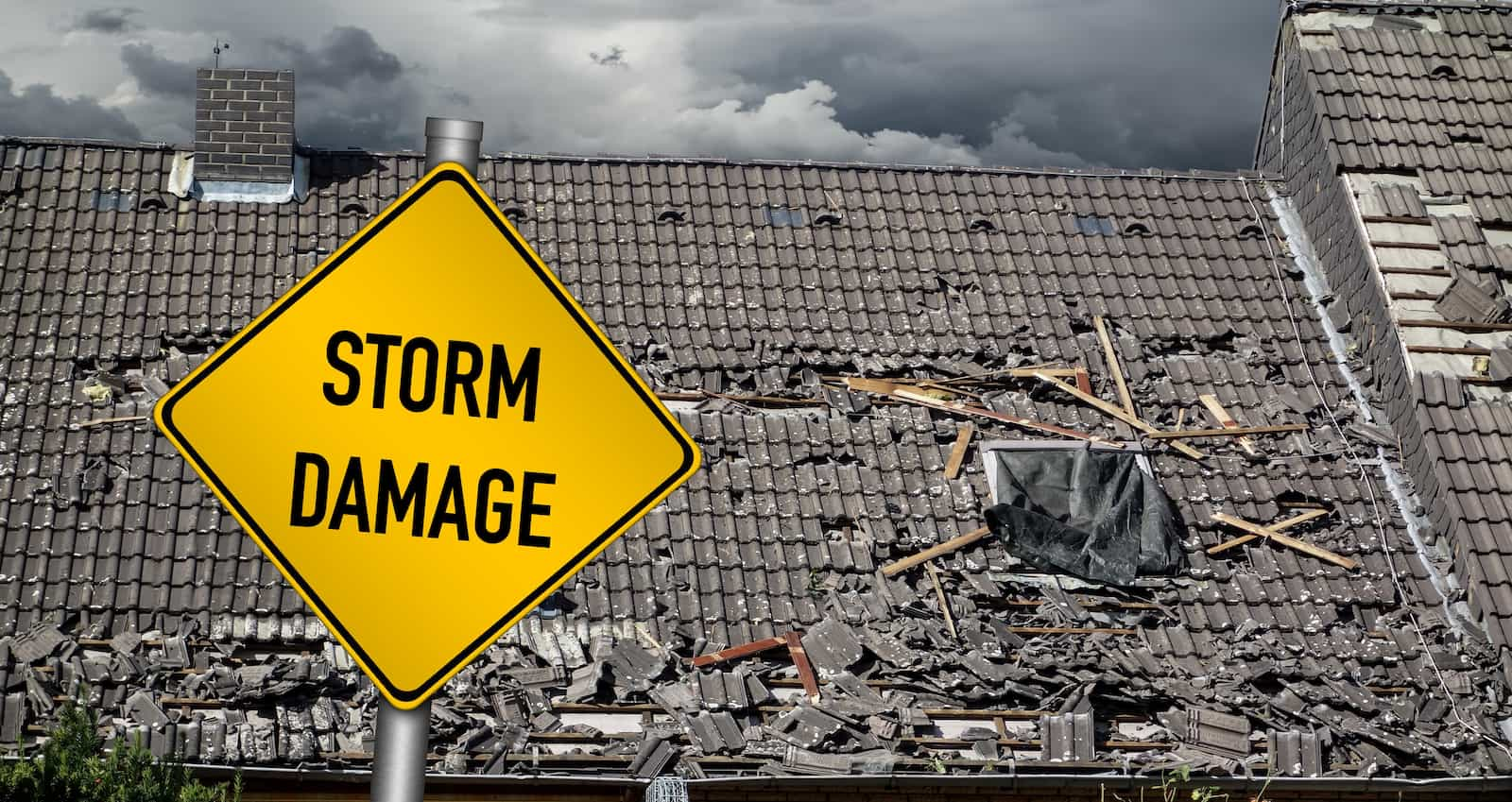
A big hail storm hits and roofers, adjusters, glass repairmen, and car autobody shops rejoice. Natural disasters like wind and hail storms create 70-90% of the insurance roof-related claims filed in the US. Natural disasters such as these often times will lead to code improvements and new adoptions.
So the hailstorm has hit. Now it is time for a roof inspection report. Where to begin? Do you start with a roof inspection for insurance or do you call a trusted roofer? The answer: both.
Hail Damage Roof Inspection
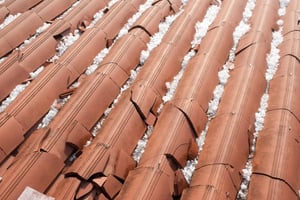 Hail damage is one of the most important things to fix right away on your home. Because hail can cause minor damage in your roof that can be hard to see from the naked eye, the problem might not be obvious right away. However, damage to your roof can lead to much larger problems down the road that can be very expensive to fix.
Hail comes in all sizes and shapes and can fall in varying velocities creating damage or bruising in all degrees. Using a trusted roofer and adjuster to assess your roof damage is imperative. Both the roofer and the adjuster will do their own inspections and will sometimes not agree on damage or repairs needed so having both sides is important to make sure you are covered.
How to avoid conflict between the insurance adjuster and the roofer?
Because the adjuster is trying to save money and the roofer is trying to make money, the inspections by both parties can vary. One way to avoid conflict is to make sure that they are both using the same roof inspection app or technology to assess the damage. For instance, roofers and adjusters who use the same code app are both compliant and have the most up to date and accurate information such as building codes on what should be covered in a roof claim.
Using the latest technology like thermal imaging and drones to find any leaks can be worth the money spent by the homeowner. While chalk is a trusted source for a roof inspection in the past, there are some ways to make sure that you are getting the best information possible. Hail and wind can wreak havoc on your roof. But, don’t let discrepancies wreak havoc on your wallet.

About OneClick Code
OneClick Code is a trusted data partner, dedicated to streamlining the code-sourcing process for all parties in the roofing industry while also increasing efficiency and transparency for all stakeholders in construction and restoration. They have the only platform to have blazed the trail for data automation of jurisdictional authority for building codes, permit fees, taxes, and manufacturer specifications required for any address nationwide. OneClick Code has been serving customers in the contracting, insurance, and claim adjusting fields by providing instant access to trusted roofing codes, in the click of a button. Offering unique reports that can be easily shared between all stakeholders in the roofing claims industry, OneClick is adding value to all parties and empowering customers to save time and money on every claim. Welcome to restoration intelligence, automated. To learn more, visit our website www.oneclickcode.com.